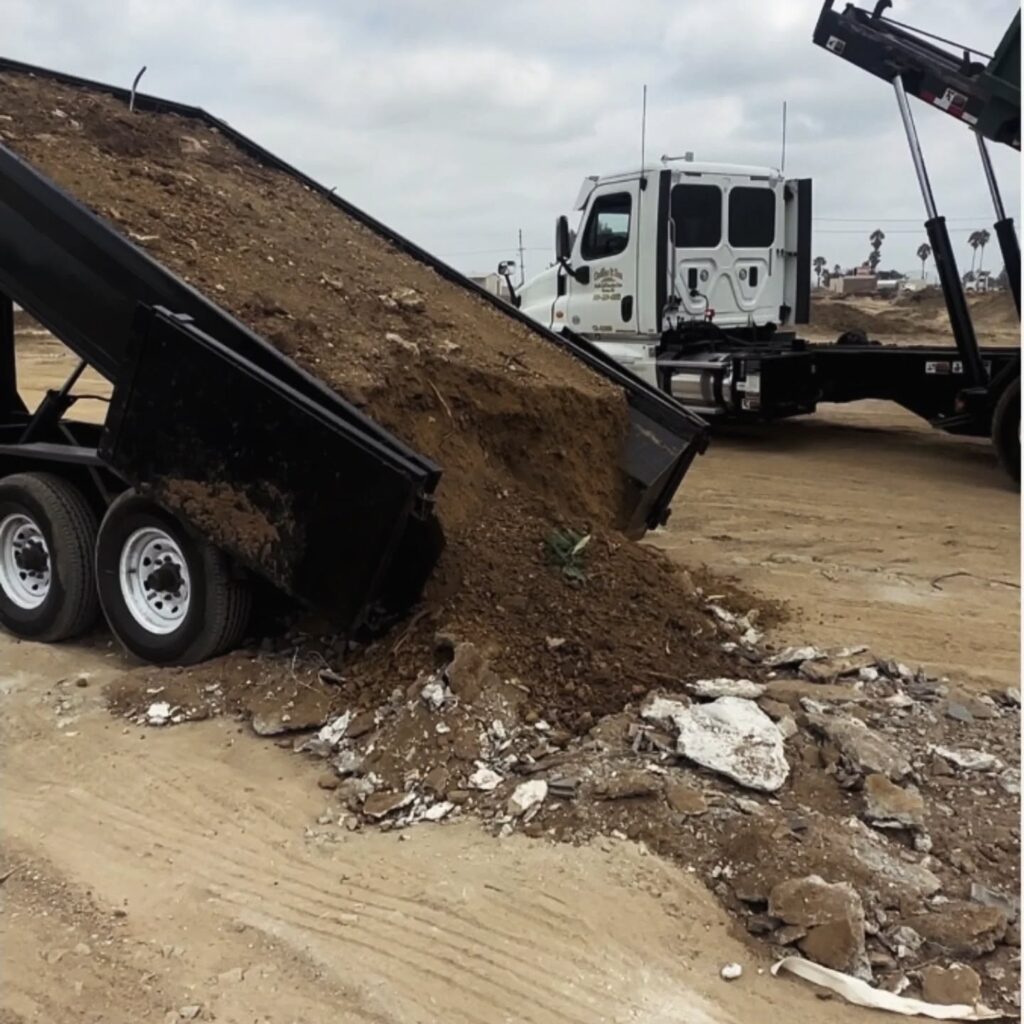
Every construction project — whether it’s a full new build, a home addition, or a commercial renovation — generates a steady stream of waste. Lumber scraps, drywall, packaging materials, old fixtures, and general debris can pile up fast, and without a reliable place to put it, that waste can slow down progress and create safety hazards on-site. That’s where construction dumpster rentals come in.
A dedicated dumpster gives contractors, builders, and property owners a centralized, on-site location to dispose of debris throughout the life of a project, rather than making constant trips to a landfill or transfer station. This guide covers what construction dumpster rentals include, how sizing and pricing typically work, and what to expect when booking one for your next job — including Construction Dumpster Rentals from Wehaul Dumpster Rentals, a provider built around the needs of active job sites.
Why Construction Projects Need a Dedicated Dumpster
Construction sites produce waste at a different pace and volume than typical residential cleanouts. A dedicated dumpster on-site offers several advantages:
- Keeps the job site organized — Debris has a designated place to go, rather than accumulating in piles around the property.
- Improves safety — Clearing scrap materials, packaging, and debris regularly reduces trip hazards and keeps walkways clear for crews.
- Saves time — Workers can dispose of waste as they go instead of pausing to load and haul it elsewhere.
- Supports project timelines — Having a container on-site for the full duration of a project avoids delays caused by waiting on ad hoc pickups.
- Helps with code compliance — Many municipalities and general contractors require job sites to maintain organized waste management as part of permitting or safety requirements.
Because construction debris often includes a mix of materials — wood, drywall, metal, packaging, and more — having a container built to handle mixed, heavy loads is essential.
Types of Projects That Use Construction Dumpster Rentals
Construction dumpster rentals are used across a wide variety of residential and commercial projects, including:
- New home builds — Ongoing waste from framing, roofing, drywall, and finishing work.
- Home additions and remodels — Debris from kitchen, bathroom, or full-home renovations.
- Commercial construction and buildouts — Larger-scale waste generated by office, retail, or industrial construction projects.
- Roofing projects — Old shingles, underlayment, and packaging material from new roof installations.
- Demolition work — Heavy debris from tearing down structures before new construction begins.
- Landscaping and hardscaping projects — Waste from large outdoor construction projects, including soil, concrete, and old materials.
Because commercial and multi-unit projects often involve larger volumes of waste over longer timelines, many providers — including Wehaul Dumpster Rentals — offer commercial-specific service designed to support ongoing, high-volume construction needs.
Choosing the Right Dumpster Size
Selecting the correct dumpster size is one of the most important parts of the rental process. An undersized container can mean overflow issues or the need for an additional rental, while an oversized one may cost more than the project requires. General size guidelines include:
- 10–15 yard containers — Suited for smaller renovation projects, such as a single-room remodel or minor cleanup.
- 20 yard containers — Often used for mid-size projects like kitchen or bathroom renovations, roofing jobs, or flooring replacement.
- 30–40 yard containers — Typically needed for larger new construction, commercial buildouts, whole-home renovations, or demolition debris.
Because material type also affects capacity — heavier materials like concrete or roofing shingles take up weight allowance faster than lighter debris — many providers offer guidance to help match container size to the specific scope of a project.
What Affects Construction Dumpster Rental Pricing
Pricing for construction dumpster rentals depends on several factors:
- Container size — Larger containers generally cost more to rent and haul than smaller ones.
- Rental duration — Most rentals include a set number of days, with additional fees if the project runs longer than the agreed period.
- Type of debris — Heavier materials like concrete, dirt, or shingles may be priced differently than general construction waste.
- Weight limits — Rentals typically include a weight allowance, with overage charges if the load exceeds that limit.
- Site accessibility — Delivery location, distance, and ease of placement can also factor into total cost.
Getting an upfront quote that accounts for project size, expected debris type, and rental duration is the most reliable way to budget accurately and avoid surprise fees.
What to Expect When Renting a Construction Dumpster
The rental process for a construction project typically follows these steps:
- Determine the right size. Based on the scope of the project and expected volume of debris.
- Schedule delivery. Many providers can deliver within a short window, depending on availability and site accessibility.
- Fill the dumpster throughout the project. Crews can dispose of waste continuously as work progresses, rather than waiting for scheduled pickups.
- Request a swap if needed. For longer or larger projects, some providers offer container swaps once a dumpster is full, allowing work to continue without interruption.
- Schedule final pickup. Once the project wraps up, the dumpster is picked up and the material is hauled away and disposed of responsibly.
This straightforward process helps keep job sites organized and on schedule without requiring crews to manage waste disposal on their own.
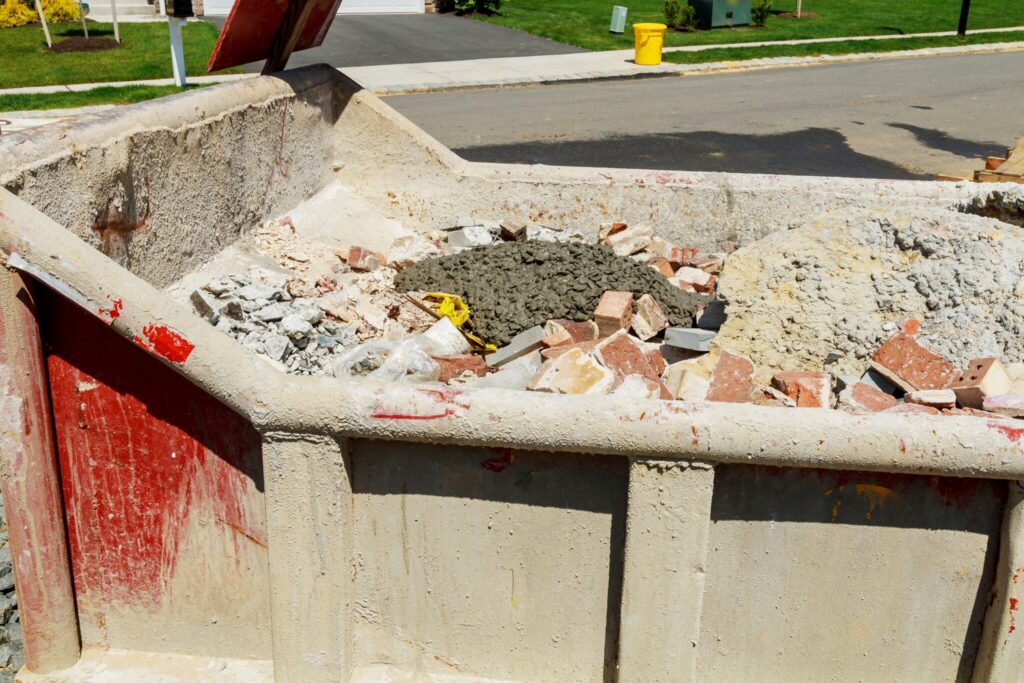
Frequently Asked Questions About Construction Dumpster Rentals
Below are some of the most commonly searched questions people have about construction dumpster rentals.
How long can I keep a construction dumpster on-site?
Rental periods vary by provider, but most include a set number of days within the base price, with the option to extend the rental or request a swap if the project runs longer than expected.
What size dumpster do I need for a construction project?
The right size depends on the scope of work. Smaller renovations typically need a 10- to 15-yard container, while larger builds, commercial projects, or demolition work often require a 30- to 40-yard container.
What materials can’t go in a construction dumpster?
Most construction dumpsters accept wood, drywall, metal, and general building debris, but hazardous materials such as asbestos, chemicals, and certain paints typically require separate disposal methods and aren’t accepted in standard containers.
How much does a construction dumpster rental cost?
Cost depends on container size, rental duration, debris type, and weight limits. A personalized quote based on your specific project is the most accurate way to determine pricing.
Do I need a permit for a dumpster on a job site?
In many cases, a permit isn’t required if the dumpster is placed entirely on private property, but placement on a street or public right-of-way typically requires a permit from the local municipality.
Can a dumpster be swapped out mid-project?
Yes, many providers offer swap-outs for longer projects, allowing a full container to be exchanged for an empty one so work can continue without delay.
Why Choose Wehaul Dumpster Rentals
Not every provider is equipped to support the demands of an active construction site, especially for larger commercial projects that require reliable delivery, swap-outs, and flexible scheduling. Wehaul Dumpster Rentals offers dependable service built around the realities of construction timelines — helping contractors, builders, and property owners keep job sites organized from the first day of work through final cleanup.
If you’re planning a residential or commercial build, Construction Dumpster Rentals from Wehaul Dumpster Rentals offers a dependable way to manage waste throughout the life of your project.
Final Thoughts
Construction projects move faster and safer when waste management isn’t an afterthought. A properly sized, reliably delivered dumpster keeps job sites organized, reduces safety hazards, and helps crews stay focused on the work itself rather than coordinating debris removal. By understanding sizing, pricing, and what to expect from the rental process, contractors and property owners can keep their projects on schedule from start to finish.
This blog post was developed as part of a content and local SEO strategy by SCA Strategies, helping service-based businesses like Wehaul Dumpster Rentals grow their online visibility and connect with more customers searching for reliable project support.