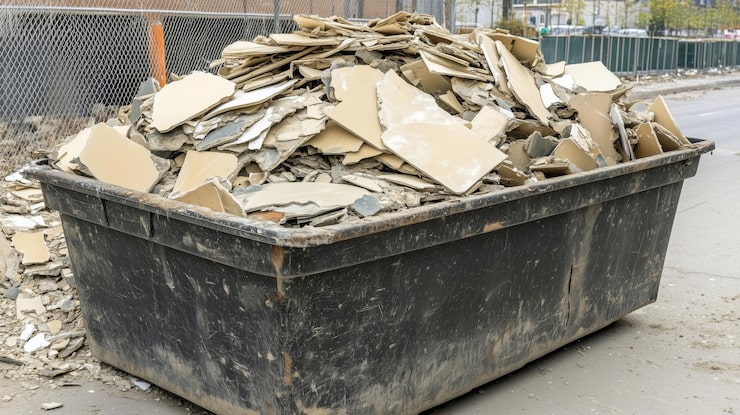
Construction projects, renovations, demolitions, and remodeling jobs generate significant amounts of waste that must be handled properly. From wood scraps and drywall to concrete and metal materials, managing debris efficiently is essential for maintaining a safe and productive work environment. That’s why professional Construction Waste Disposal services play a critical role in both residential and commercial construction projects.
Whether you’re a homeowner remodeling a kitchen, a contractor managing a large construction site, or a property owner completing a renovation, proper waste disposal helps streamline operations, improve safety, and ensure compliance with environmental regulations.
In this guide, we’ll explore the importance of construction waste disposal, common types of construction debris, disposal methods, environmental benefits, and why professional removal services are often the most efficient solution.
What Is Construction Waste Disposal?
Construction waste disposal refers to the collection, transportation, recycling, and proper disposal of debris generated during construction, remodeling, demolition, and renovation projects.
Construction waste can accumulate quickly, creating hazards and reducing efficiency if not managed properly. Professional disposal services help remove debris regularly, allowing crews to maintain a clean and organized work environment.
Effective construction waste management helps:
- Improve job site safety
- Increase productivity
- Reduce project delays
- Maintain regulatory compliance
- Support environmental sustainability
Whether the project is large or small, proper waste disposal remains a critical component of successful construction management.
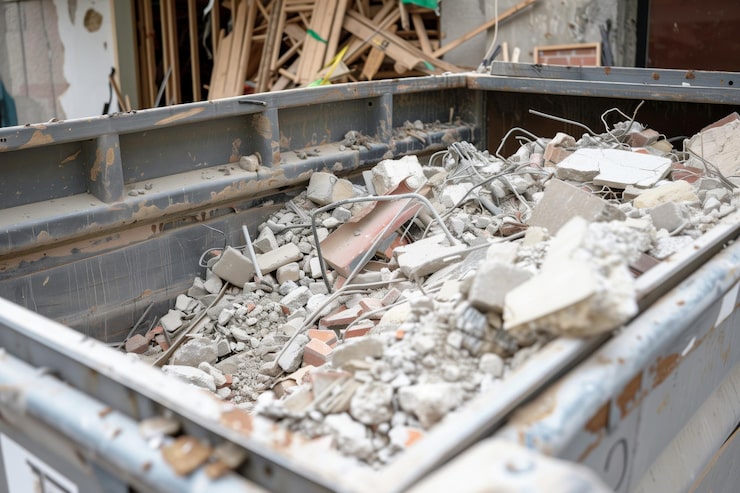
Common Types of Construction Waste
Construction projects generate a wide variety of materials that require proper disposal.
Wood Waste
Wood debris commonly includes:
- Lumber scraps
- Plywood remnants
- Framing materials
- Pallets
- Trim pieces
Many wood products can be recycled or repurposed when handled properly.
Drywall and Sheetrock
Drywall waste is one of the most common forms of construction debris.
Examples include:
- Drywall scraps
- Broken sheetrock
- Wall demolition debris
Proper disposal helps prevent unnecessary landfill waste.
Concrete and Masonry
Construction and demolition projects often generate:
- Concrete chunks
- Bricks
- Cinder blocks
- Stone materials
These materials can often be processed and recycled for future construction applications.
Metal Materials
Metal construction waste may include:
- Steel framing
- Aluminum components
- Copper wiring
- Pipes
- Roofing materials
Recycling metal helps conserve resources and reduce environmental impact.
Roofing Debris
Roof replacements frequently produce:
- Asphalt shingles
- Underlayment materials
- Flashing
- Nails and fasteners
Professional disposal services ensure roofing debris is handled safely and efficiently.
Why Construction Waste Disposal Is Important
Construction waste can quickly overwhelm a job site if not removed regularly.
Improves Safety
Debris scattered across a construction site increases the risk of:
- Trips and falls
- Equipment damage
- Worker injuries
Regular waste removal helps maintain safer working conditions.
Increases Productivity
Clean job sites allow contractors and workers to operate more efficiently.
Removing debris promptly reduces obstacles and creates more usable workspace.
Supports Regulatory Compliance
Many municipalities and construction regulations require proper waste management procedures.
Professional disposal services help ensure compliance with local guidelines.
Enhances Project Appearance
Well-maintained construction sites create a more professional image for clients, inspectors, and stakeholders.
Residential Construction Waste Disposal
Home renovation projects often generate more waste than homeowners anticipate.
Common residential projects include:
- Kitchen remodels
- Bathroom renovations
- Flooring replacements
- Roofing projects
- Room additions
Professional disposal services help homeowners avoid multiple trips to disposal facilities while ensuring debris is removed efficiently.
Commercial Construction Waste Disposal
Commercial construction projects often generate large volumes of debris that require ongoing management.
Commercial waste removal may involve:
- Office renovations
- Retail build-outs
- Warehouse construction
- Industrial projects
- Multi-family housing developments
Professional waste disposal services help contractors maintain project timelines and improve site organization.
Eco-Friendly Construction Waste Disposal
Sustainability has become increasingly important in the construction industry.
Many construction materials can be recycled instead of being sent directly to landfills.
Common recyclable construction materials include:
- Metal
- Concrete
- Wood
- Cardboard
- Plastic
- Asphalt
Recycling construction waste helps:
- Reduce landfill use
- Conserve natural resources
- Lower disposal costs
- Support sustainable building practices
Professional waste disposal companies often prioritize recycling whenever possible.
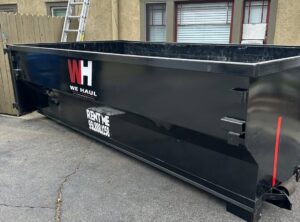
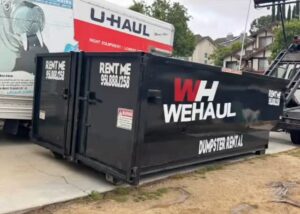
Construction Waste Disposal vs. Dumpster Rentals
Many contractors wonder whether they should choose a dumpster rental or a full-service debris removal company.
Dumpster Rental Benefits
- Ideal for ongoing projects
- Flexible loading schedule
- Convenient for contractors
Full-Service Debris Removal Benefits
- No loading required
- Faster cleanup
- Professional labor included
- Immediate debris removal
The best option depends on project size, timeline, and labor availability.
Signs You Need Professional Construction Waste Disposal
You may benefit from professional debris removal if:
- Debris is accumulating faster than expected
- Workers are losing productivity due to clutter
- Safety concerns are increasing
- Multiple disposal trips are becoming time-consuming
- Large materials require specialized handling
Professional disposal services help keep projects moving efficiently while reducing operational challenges.
Benefits of Hiring a Professional Construction Waste Disposal Company
Saves Time
Professional crews handle loading, hauling, and disposal, allowing contractors to focus on project completion.
Reduces Labor Costs
Construction workers can concentrate on skilled tasks rather than waste removal.
Improves Site Safety
Regular debris removal reduces accidents and helps maintain OSHA-compliant work environments.
Supports Sustainability
Professional companies often recycle materials whenever possible.
Simplifies Waste Management
A dedicated disposal partner streamlines logistics and improves project efficiency.
Why Contractors and Property Owners Choose Primo’s Junk Removal
Primo’s Junk Removal provides dependable Construction Waste Disposal services for contractors, homeowners, developers, and property managers.
Their services include:
- Construction debris removal
- Renovation cleanup
- Demolition waste hauling
- Residential remodeling debris disposal
- Commercial construction cleanup
- Same-day and scheduled pickups
Their experienced team helps maintain clean, safe, and productive job sites while ensuring waste is handled responsibly.
Environmental Benefits of Responsible Construction Waste Disposal
The construction industry generates millions of tons of waste annually. Proper waste management helps reduce environmental impact and supports sustainable development.
Key environmental advantages include:
- Reduced landfill waste
- Increased material recycling
- Conservation of natural resources
- Lower greenhouse gas emissions
- Improved community cleanliness
Choosing responsible construction waste disposal practices benefits both businesses and the environment.
SEO & Digital Marketing for Construction and Service Businesses
Construction companies and local service providers rely heavily on online visibility to attract new customers. Strategic SEO, local search optimization, content marketing, and backlink building help businesses improve rankings and generate qualified leads.
Many companies partner with SCA Strategies to strengthen their online presence through targeted SEO campaigns, content development, and long-term digital growth strategies.
Frequently Asked Questions (FAQ)
1. What is considered construction waste?
Construction waste includes wood, drywall, concrete, roofing materials, metal, flooring, insulation, and demolition debris generated during construction or renovation projects.
2. How is construction waste disposed of?
Construction waste is collected, sorted, recycled when possible, and transported to approved disposal or processing facilities.
3. Can construction materials be recycled?
Yes. Many materials such as concrete, metal, wood, cardboard, and asphalt can often be recycled.
4. How much does construction waste disposal cost?
Costs vary depending on the volume of debris, material type, labor requirements, and disposal fees.
5. Do construction waste disposal companies offer same-day service?
Many providers, including Primo’s Junk Removal, offer same-day or next-day debris removal depending on project requirements and scheduling availability.
Final Thoughts
Construction projects generate substantial amounts of debris that require proper handling and disposal. Effective construction waste management helps improve safety, maintain productivity, reduce environmental impact, and keep projects running smoothly.
By using professional services like Construction Waste Disposal from Primo’s Junk Removal, contractors and property owners can simplify debris removal while maintaining cleaner and safer job sites.
Additionally, businesses looking to improve online visibility and strengthen SEO performance can benefit from the strategic digital marketing solutions provided by SCA Strategies.