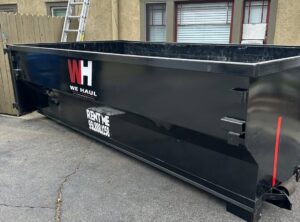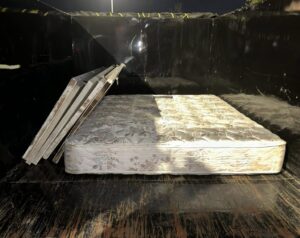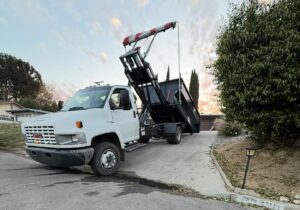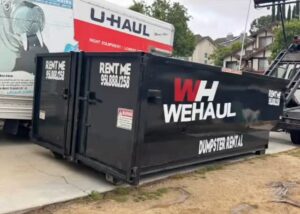
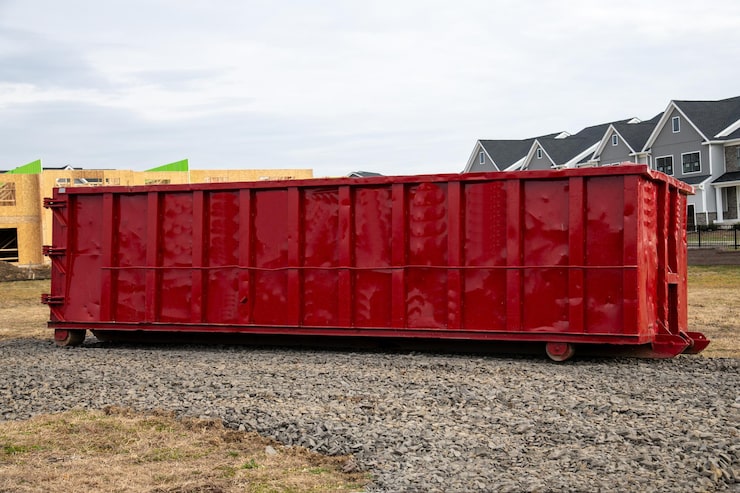
Dumpster Rental Tips can help homeowners, contractors, and business owners handle large amounts of waste more efficiently during renovations, construction projects, property cleanouts, and landscaping work. Renting a dumpster is one of the most effective ways to simplify cleanup, but choosing the right dumpster rental service requires more than simply selecting a container size.
Understanding important Dumpster Rental Tips can help you save money, avoid delays, choose the correct dumpster size, and manage waste removal projects more efficiently from start to finish.
Why Dumpster Rentals Are Important
Large cleanup projects generate significant amounts of debris that regular trash collection services cannot handle efficiently. Dumpster rentals provide a centralized and convenient solution for disposing of:
- Construction debris
- Household junk
- Yard waste
- Roofing materials
- Furniture and appliances
- Remodeling debris
Having a dedicated dumpster on-site helps maintain cleaner and safer work areas throughout the project.
Choose the Right Dumpster Size
One of the most important dumpster rental tips is selecting the correct container size for your project.
Common Dumpster Sizes Include:
- 7-yard dumpster – Designed Specifically for heavy materials like Concrete.
- 15-yard dumpster – Medium renovations and roofing debris
- 20-yard dumpster – Large construction and commercial projects
Choosing the wrong size may lead to overage fees or the need for additional rentals.
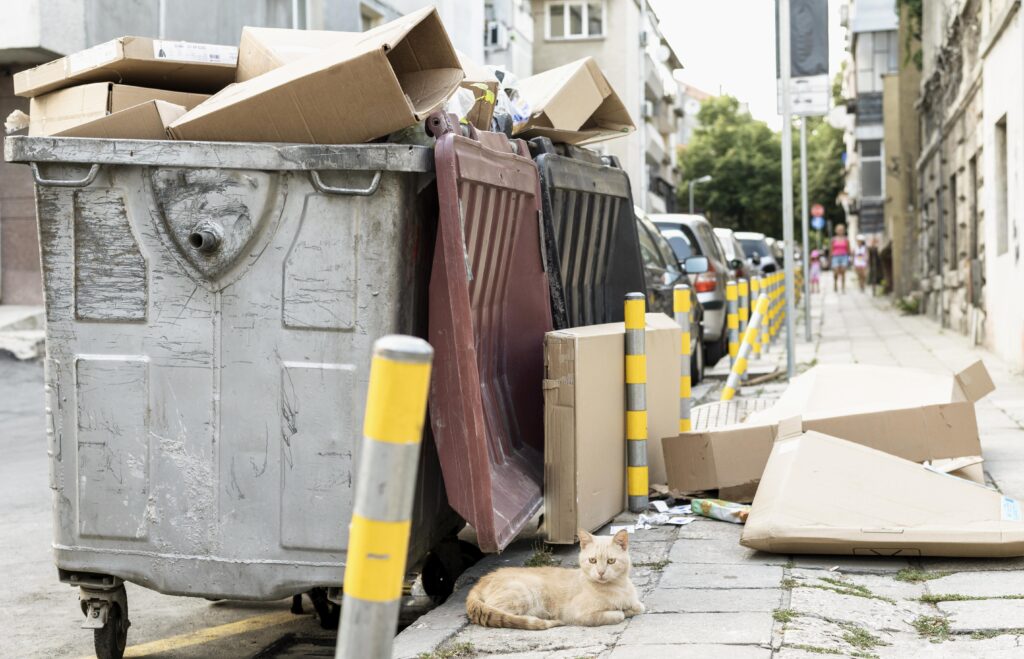
Understand What Can and Cannot Go Into a Dumpster
Before renting a dumpster, it’s important to understand disposal restrictions. Most dumpster rental companies prohibit hazardous materials such as:
- Paint and chemicals
- Tires and batteries
- Asbestos materials
- Flammable liquids
- Certain electronics
Always confirm acceptable materials with your rental provider before loading the dumpster.
Tips to Save Money on Dumpster Rentals
1. Avoid Overfilling the Dumpster
Overloaded dumpsters may result in additional charges or pickup delays.
2. Plan Your Rental Timeline
Keeping the dumpster longer than necessary may increase rental costs.
3. Separate Recyclable Materials
Sorting recyclable items can help reduce disposal fees in some cases.
4. Estimate Waste Volume Carefully
Choosing the right dumpster size helps avoid unnecessary expenses.
Residential and Commercial Dumpster Rental Uses
Dumpster rentals are commonly used for:
- Home remodeling projects
- Garage and attic cleanouts
- Construction and demolition work
- Roofing replacements
- Office renovations
- Landscaping projects
They provide an efficient waste management solution for both residential and commercial applications.
Eco-Friendly Waste Disposal Practices
Modern dumpster rental providers often prioritize environmentally responsible disposal methods by:
- Recycling construction materials
- Separating reusable waste
- Reducing landfill contributions
- Following local disposal regulations
This helps support cleaner communities and sustainable waste management practices.
Reliable Dumpster Rental Services
Choosing a dependable dumpster rental provider ensures timely delivery, flexible scheduling, and proper waste handling throughout your cleanup project.
For businesses and homeowners looking for professional waste management and dumpster rental solutions, visit:
Their services help simplify residential, commercial, and construction cleanup projects with reliable dumpster rental options.
Frequently Asked Questions (FAQs)
1. What size dumpster do I need for a home cleanout?
A 7-yard or 20-yard dumpster is usually sufficient for most residential cleanouts, depending on the amount of debris.
2. How long can I keep a rental dumpster?
Rental periods vary by company, but most providers offer flexible scheduling ranging from a few days to a week or more.
3. What items are prohibited in rental dumpsters?
Hazardous materials such as chemicals, paint, tires, batteries, and flammable liquids are commonly prohibited.
4. Can dumpsters be used for construction debris?
Yes, dumpsters are commonly used for drywall, wood, roofing materials, concrete, and renovation debris.
5. Do dumpster rental companies handle disposal?
Yes, the rental company typically handles pickup, transportation, and proper disposal after the dumpster is collected.
Need Help Growing Your Local Service Business Online?
Local service businesses rely heavily on online visibility to attract leads and grow consistently. A strong website, local SEO strategy, and optimized Google presence can significantly improve customer acquisition.
If you want to grow your dumpster rental or local service business online, learn more here:
👉 SCA Strategies Premium Marketing
We help local businesses generate leads through SEO, website development, Google Ads management, and digital marketing solutions.