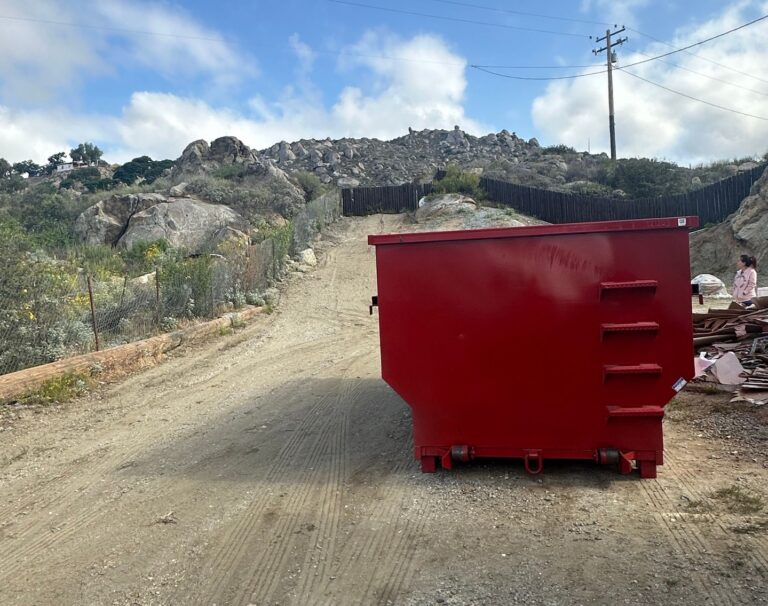
Maintaining a beautiful outdoor space often involves more than planting flowers or mowing the lawn. Whether you’re removing trees, trimming shrubs, replacing sod, or completing a full landscape renovation, one challenge remains the same—proper Landscaping Debris Disposal. Without an effective disposal plan, piles of branches, soil, grass clippings, and other green waste can quickly become overwhelming.
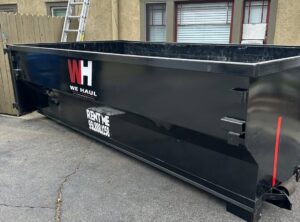
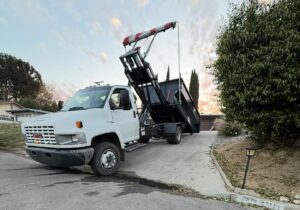
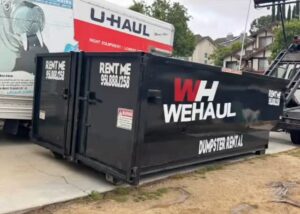
Fortunately, Wehaul Dumpster Rentals offers reliable dumpster rental solutions that make landscaping cleanup easier, safer, and more efficient. Having the right dumpster on-site allows homeowners, contractors, and property managers to dispose of outdoor waste responsibly while keeping projects on schedule.
In this guide, you’ll learn everything you need to know about landscaping debris disposal, including what materials can be discarded, disposal methods, dumpster sizing, environmental considerations, and answers to the most frequently searched questions online.
Why Proper Landscaping Debris Disposal Matters
Landscaping projects generate a surprising amount of waste. Even a simple backyard cleanup can produce hundreds of pounds of branches, leaves, soil, and other organic materials.
Improper disposal can lead to several issues, including:
- Safety hazards from scattered debris
- Pest infestations
- Local code violations
- Environmental pollution
- Blocked drainage systems
- Unattractive outdoor spaces
Proper disposal helps maintain a cleaner property while protecting the surrounding environment.
Common Types of Landscaping Debris
Landscaping debris includes a wide range of organic and non-organic materials generated during outdoor projects.
Common examples include:
- Tree branches
- Leaves
- Grass clippings
- Bushes and shrubs
- Tree stumps
- Dirt and soil
- Rocks
- Mulch
- Sod
- Weeds
- Flower beds
- Wooden fencing
- Garden waste
- Outdoor lumber
- Old landscape fabric
Depending on your project, you may also need to dispose of construction materials such as concrete, bricks, pavers, or decking.
Benefits of Using a Dumpster for Landscaping Debris
While municipal yard waste collection can handle small amounts of debris, larger landscaping projects often require a more practical solution.
Convenient Cleanup
A dumpster placed directly on your property eliminates repeated trips to disposal facilities.
Increased Efficiency
Workers can immediately dispose of debris instead of creating multiple waste piles throughout the project.
Improved Safety
Keeping branches, rocks, and construction debris contained reduces the risk of trips and injuries.
Cost Savings
When considering fuel, landfill fees, and time spent hauling debris, renting a dumpster can often be the most economical option.
Professional Appearance
Whether you’re a homeowner or contractor, maintaining a clean job site creates a safer and more organized work environment.
What Can Be Placed Inside a Landscaping Dumpster?
Most landscaping projects generate materials that are accepted by dumpster rental providers.
Typically accepted materials include:
- Grass
- Leaves
- Tree limbs
- Shrubs
- Bushes
- Mulch
- Wood
- Dirt (depending on container type)
- Rocks
- Sod
- Garden waste
- Wooden fencing
- Untreated lumber
- Plant materials
Some providers offer specialized dumpsters designed specifically for heavy landscaping materials.
Always confirm accepted materials before loading the dumpster.
Materials That May Not Be Accepted
Certain items are prohibited because they require specialized disposal.
These often include:
- Paint
- Pesticides
- Fertilizers
- Motor oil
- Gasoline
- Batteries
- Propane tanks
- Hazardous chemicals
- Tires
- Asbestos
- Medical waste
Check with your dumpster rental company regarding local disposal regulations.
Choosing the Right Dumpster Size
The correct dumpster size depends on the amount of debris your landscaping project will generate.
Small Yard Cleanup
Ideal for:
- Seasonal trimming
- Garden cleanup
- Small shrub removal
- Minor landscaping improvements
Medium Landscaping Projects
Perfect for:
- Tree removal
- Fence replacement
- Sod replacement
- Backyard renovations
Large Outdoor Renovations
Recommended for:
- Complete landscape redesigns
- Multiple tree removals
- Large retaining wall projects
- Commercial landscaping
Choosing the correct size helps avoid overfilling while keeping costs manageable.
Tips for Efficient Landscaping Debris Disposal
Planning ahead makes disposal much easier.
Follow these best practices:
- Separate recyclable materials when possible.
- Break down large branches.
- Stack limbs neatly inside the dumpster.
- Place heavy materials at the bottom.
- Distribute weight evenly.
- Avoid filling above the dumpster’s top edge.
- Keep prohibited items out of the container.
Efficient loading maximizes available space and helps prevent additional fees.
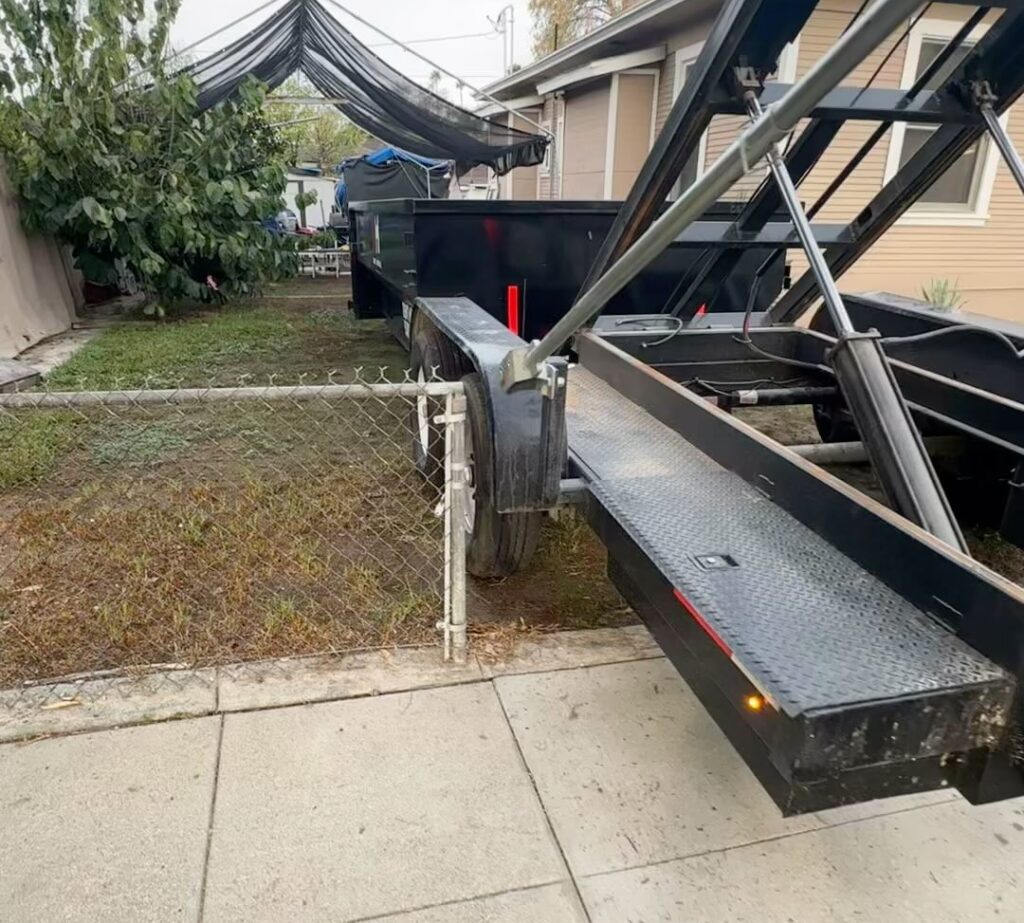
Preparing for Dumpster Delivery
Before your dumpster arrives, prepare the designated placement area.
Helpful preparation tips include:
- Clear vehicles from the driveway.
- Remove obstacles.
- Trim low-hanging branches.
- Ensure easy truck access.
- Protect decorative driveways with plywood if desired.
- Verify permit requirements if placing the dumpster on public property.
These simple steps ensure smooth delivery and pickup.
Landscaping Projects That Benefit from Dumpster Rentals
Many outdoor projects produce more waste than homeowners anticipate.
Dumpster rentals are ideal for:
- Tree removal
- Yard cleanups
- Storm debris removal
- Garden renovations
- Fence replacement
- Deck demolition
- Patio removal
- Retaining wall construction
- Irrigation system replacement
- Outdoor remodeling
Having a dumpster nearby keeps the project organized from start to finish.
Environmental Benefits of Responsible Landscaping Debris Disposal
Responsible disposal practices benefit both homeowners and the environment.
Professional dumpster rental companies often:
- Transport waste to licensed disposal facilities
- Separate recyclable materials
- Reduce illegal dumping
- Support composting initiatives where available
- Minimize environmental impact through proper waste handling
Keeping organic waste out of unauthorized dumping areas helps preserve local ecosystems.
How Much Does Landscaping Debris Disposal Cost?
Several factors influence the cost of disposal.
Pricing typically depends on:
- Dumpster size
- Rental duration
- Weight of materials
- Disposal fees
- Delivery distance
- Type of debris
Heavy materials such as dirt, rocks, and concrete may require specialized containers with different pricing structures.
Requesting an upfront estimate helps avoid unexpected charges.
Why Choose Wehaul Dumpster Rentals?
When planning an outdoor cleanup project, selecting a reliable dumpster rental company can make all the difference.
Wehaul Dumpster Rentals provides dependable service, flexible rental periods, prompt delivery, and knowledgeable customer support. Whether you’re cleaning up after a storm or completely redesigning your landscape, having the right dumpster delivered directly to your property makes debris removal simple and stress-free.
Their team understands the challenges associated with landscaping projects and helps customers choose the appropriate dumpster size for their needs.
Landscaping Businesses Can Benefit from Strong Online Marketing
While providing exceptional customer service is essential, landscaping and dumpster rental companies also need a strong online presence to attract new customers. Most homeowners begin their search for landscaping debris disposal services online, making search engine visibility more important than ever.
Creating valuable content, earning high-quality backlinks, and implementing local SEO strategies help businesses improve their rankings and generate qualified leads. Companies looking to strengthen their digital marketing efforts can work with SCA Strategies, an agency specializing in SEO, content marketing, and link-building strategies that help businesses increase their online authority and organic search traffic.
Frequently Asked Questions (FAQs)
What is considered landscaping debris?
Landscaping debris includes grass clippings, leaves, tree branches, shrubs, bushes, mulch, sod, dirt, rocks, garden waste, and other materials generated during outdoor maintenance or renovation projects.
Can I throw tree branches in a dumpster?
Yes. Most dumpster rental companies accept tree branches, limbs, shrubs, and other yard waste. Very large stumps or oversized logs may have restrictions.
Can dirt and rocks go into a dumpster?
Yes, but many companies require special dumpsters for heavy materials due to weight limitations. Always ask before loading soil or rocks.
How do I dispose of large amounts of yard waste?
Renting a dumpster is one of the easiest and most efficient methods for disposing of large quantities of landscaping debris.
Do I need a permit for a dumpster?
If the dumpster remains on private property, permits are usually unnecessary. Placement on public streets may require approval from your local municipality.
Can landscaping debris be recycled?
Many organic materials, including leaves, grass, and branches, can be composted or processed into mulch depending on local recycling programs.
How long can I keep my dumpster rental?
Rental periods vary by provider, but many companies offer flexible rental terms ranging from several days to multiple weeks.
What size dumpster is best for landscaping projects?
The ideal size depends on your project’s scope. Small cleanups may require compact dumpsters, while complete landscape renovations often need larger containers.
Final Thoughts
Managing outdoor waste doesn’t have to be difficult. Whether you’re trimming trees, replacing sod, removing old fencing, or completing a full landscape makeover, proper landscaping debris disposal keeps your property clean, safe, and environmentally responsible.
Choosing professional services like Wehaul Dumpster Rentals simplifies the process by providing dependable dumpster rentals tailored to landscaping projects of every size. With convenient delivery, flexible rental options, and expert guidance, you can focus on transforming your outdoor space instead of worrying about waste removal.
For businesses in the landscaping, construction, or waste management industries, building a strong digital presence is just as important as delivering excellent service. Investing in SEO, authoritative content, and strategic backlink building through SCA Strategies can help improve search engine rankings, increase website traffic, and generate long-term business growth.